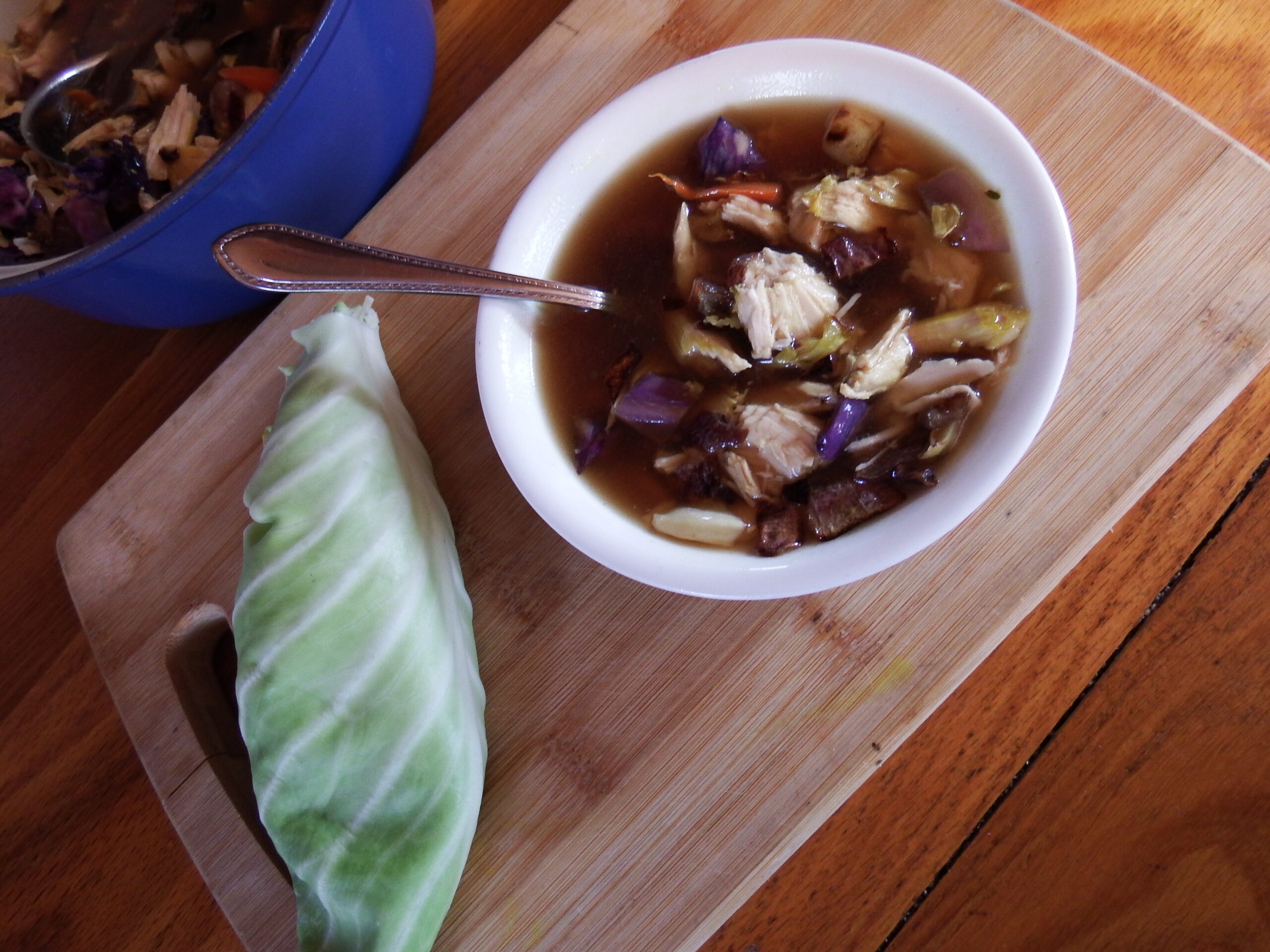
Low Histamine AIP Chicken and Veggie Soup
When you’re dealing with histamine intolerance, autoimmune flares, or chronic hives, finding comfort food that doesn’t leave you itchy, bloated, or foggy can feel like a rare win. This simple chicken and veggie soup is one of those comforting wins, especially on cold days, stressful weeks, or when your body just needs a gentle reset.
It’s made with whole, nutrient-dense ingredients that support gut health and calm inflammation. The slow-cooked caramelized onions add a naturally sweet, rich flavor without any fancy ingredients. And the best part? It’s easy to make with leftover chicken and broth, or you can throw it together from scratch in just over an hour.
If you’re sensitive to bone broth (a common issue for many of us with histamine overload), no worries, this recipe works beautifully with homemade meat broth instead, which is much gentler on the system. I always recommend freezing extra soup in individual portions to help you stay ahead of the histamine curve on busy days.
Whether you’re following AIP, a low histamine diet, or just want a warm, soothing bowl of goodness, this soup has your back. It’s deeply nourishing, freezer-friendly, and flexible enough to adapt to your needs.
Let’s get into the recipe and I’ll share a few freezing tips at the bottom to help make your low histamine life just a little easier.
Low Histamine Autoimmune Paleo Chicken and Veggie Soup
Equipment
- Cast Iron Skillet
- Stainless Steel Pot
- Ladle
- Sharp knife and cutting board
- Wooden spoon
- Measuring cups
- Glass measuring cup for liquids
- Freezer tray for soup cubes optional
- Mason jars optional
- Fine mesh strainer optional to strain broth
Ingredients
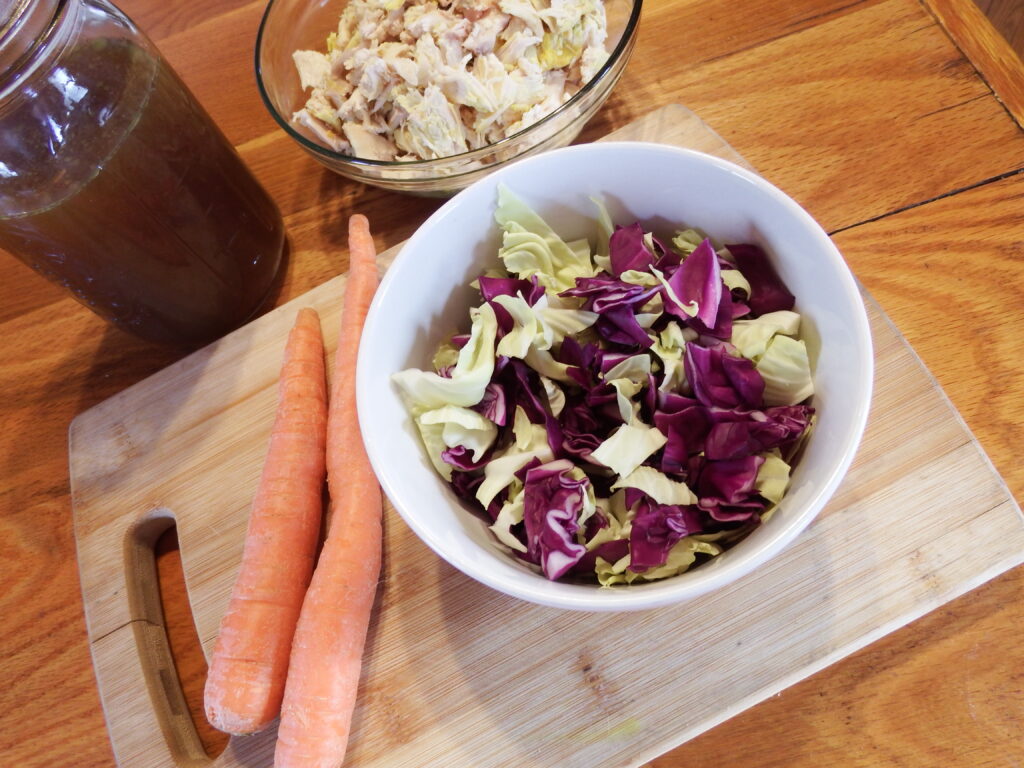
- 3 cups cooked chicken (chopped into bite-sized pieces; use leftovers or follow the optional note below for cooking fresh chicken)
- 4 cups broth (bone broth if tolerated, or substitute with meat broth for a low-histamine option)
- 1 medium red onion Chopped
- 4 tablespoons avocado oil (divided: 2 tbsp for caramelizing the onions, 2 tbsp for sautéing the veggies)
- 2 cups cabbage chopped into bite-sized pieces
- 2 medium carrots thinly sliced
- 2 cloves garlic crushed
- 1 teaspoon fresh ginger grated
- 1 teaspoon salt or to taste
- Optional: Fresh parsley or thyme for garnish
Instructions
- Caramelize the onions: Heat 2 tablespoons of avocado oil in a cast-iron skillet or sauté pan over medium heat. Add the chopped red onion and a pinch of salt. Stir occasionally, until the onions are golden and soft. Caramelizing the onions brings out their natural sweetness, but can take up to an hour, so take your time here while prepping the rest of the ingredients.
- Sauté the veggies: In a large pot, heat the remaining 2 tablespoons of avocado oil over medium heat. Add the cabbage and carrots, stirring occasionally, until they’re tender but still firm. Stir in the minced garlic and grated ginger during the last minute of cooking, allowing them to become fragrant but not burned.
- Add the chicken: Stir in the chopped chicken and cook for 2–3 minutes, just to warm it up if using leftovers. If starting with raw chicken breast, see the note below for cooking instructions.
- Combine the soup: Add the caramelized onions and broth to the pot with the veggies and chicken. Stir to combine and bring to a gentle simmer. Let everything simmer together for about 5 minutes to meld the flavors.
- Season and serve: Taste the soup and adjust the seasoning with salt if needed. Sometimes I add in granulated onion or garlic for extra flavor. Ladle into bowls and garnish with fresh parsley or thyme if desired. Enjoy warm!
- Serve: Ladle the soup into bowls and enjoy a comforting, nutrient-packed low histamine soup.
Notes
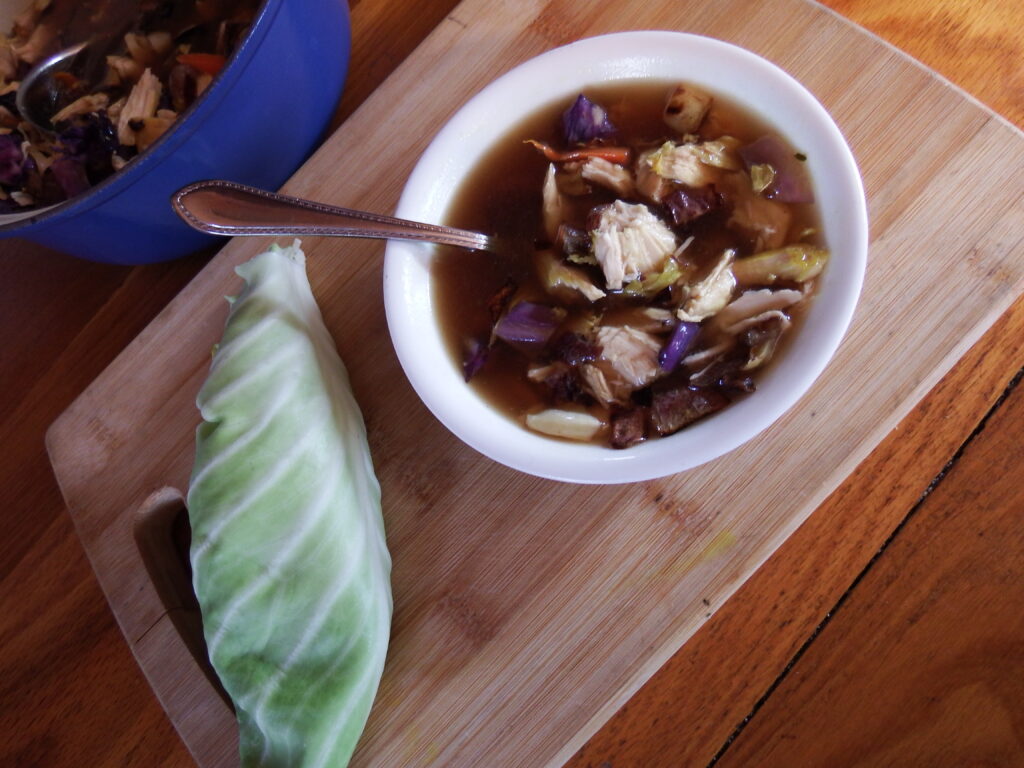
Customize It: Add-Ins & Variations (Still Low Histamine & AIP-Friendly)
One of the best things about this soup is how easy it is to make your own. Once you have the basic formula of protein, broth, and a few well-cooked veggies, you can mix it up based on what’s in season, what you have on hand, or what your body is tolerating right now.
Here are some low histamine and AIP-friendly options to switch things up without triggering symptoms:
Veggie Add-Ins:
- Zucchini – Sliced or chopped, it cooks quickly and adds a mild flavor.
- Turnips or Rutabaga – Great if you miss potatoes! These root veggies are comforting, starchy, and gut-friendly.
- Fennel bulb – Mildly sweet and anti-inflammatory, fennel adds a nice depth of flavor.
- Cauliflower florets – They’ll soak up the broth flavor beautifully.
Protein Variations:
- Turkey – Swapping in cooked turkey (especially after holidays!) is a great alternative to chicken.
- Ground chicken or turkey – Sauté first, then add to the pot for a slightly different texture.
Anti-Inflammatory Flavor Boosters:
- Fresh Ginger – Already included in the recipe, but feel free to bump it up to 2 teaspoons for extra warmth and anti-nausea, digestion-supporting benefits. Ginger helps calm inflammation and supports detoxification, making it especially helpful during histamine or autoimmune flares.
- Ground Turmeric – Add ¼ to ½ teaspoon during the sauté step with the garlic and ginger. Turmeric contains curcumin, a powerful anti-inflammatory compound that can support immune health, joint comfort, and histamine balance. Just a small amount goes a long way—too much can make the soup bitter. For extra absorption, pair it with a pinch of freshly ground black pepper if tolerated (note: pepper is not AIP and can be a trigger for some).
Herbs & Flavor Boosters:
- Fresh thyme or parsley – A classic finishing touch that’s gentle and healing.
- Cilantro – Adds a fresh, bright flavor and supports detox pathways.
- Onion powder or garlic powder – Always good for a flavor bump if you’re feeling underwhelmed.
📝 Reminder: Everyone’s food tolerances are unique, especially with histamine intolerance or autoimmune symptoms. Start with small amounts of any new ingredient and keep notes in your food journal to track how you respond.
Freezing Instructions for Low-Histamine Meal Prep
Freezing is an essential strategy for anyone following a low-histamine diet, as it helps prevent the buildup of histamine in leftovers. This soup freezes beautifully and is perfect for quick, nourishing meals later. Here’s how to freeze and reheat it properly:
How to Freeze the Soup:
- Cool Completely: Allow the soup to cool completely at room temperature before freezing.
- Portion It Out: Divide the soup into individual serving-sized airtight containers (I prefer pint-sized Mason jars). This makes it easier to defrost only what you need.
- Leave Room for Expansion: If using containers, leave about an inch of space at the top to allow for expansion as the soup freezes.
- Label: Clearly label the container with the date and contents to keep track of freshness.
- Freeze Quickly: Place the portions in the freezer immediately to minimize histamine buildup.
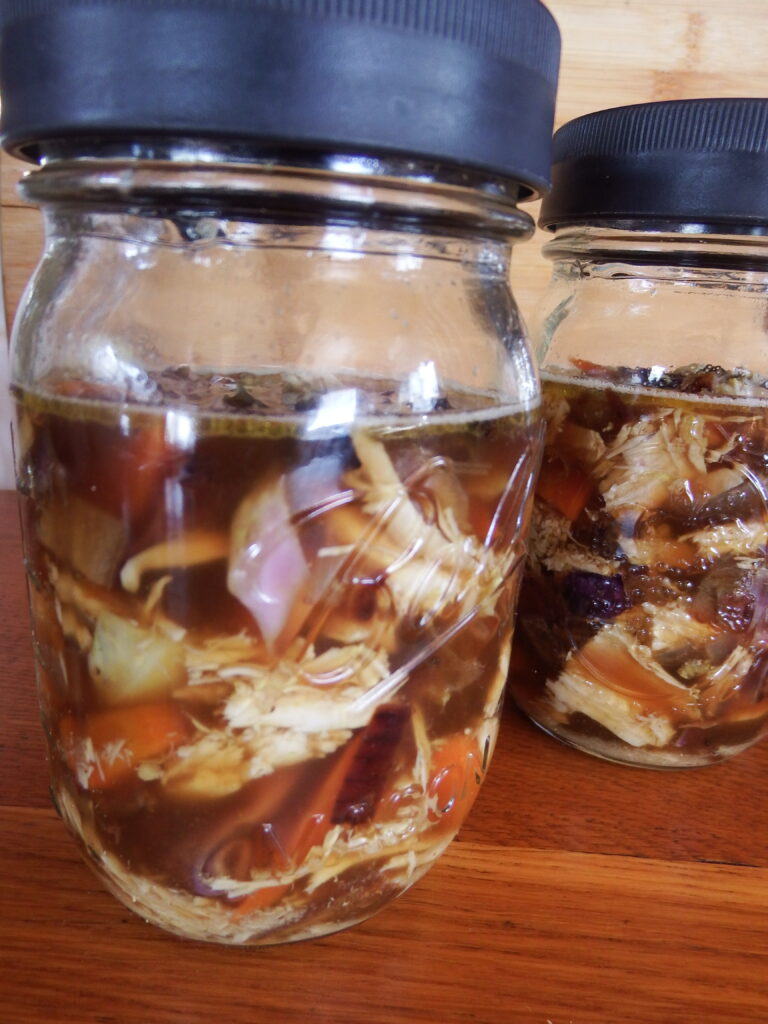
How to Reheat Frozen Soup:
- Thaw Safely: Transfer the frozen soup to the refrigerator to thaw overnight, or for quicker thawing, immerse the sealed bag or container in a bowl of cold water. Avoid leaving it out at room temperature.
- Reheat Gently: Warm the soup in a pot over low to medium heat, stirring occasionally until heated through. This helps preserve the flavor and texture of the ingredients. Avoid boiling, as high heat can overcook the vegetables.
- Use Promptly: Once thawed and reheated, consume the soup immediately and avoid refreezing.
How Long Does It Last in the Freezer?
- For best flavor and quality, store the soup in the freezer for up to 2 months. Beyond that, the texture may degrade slightly, though it will still be safe to eat if frozen properly.
By freezing this soup, you’ll have a convenient, low-histamine meal ready to go on busy days.
Check out this easy roast chicken recipe and broth recipe to use for meal prep. I like to use the left over shredded chicken and broth for this soup recipe.