How to Make a Classic Beef Stew Without the Histamine Buildup
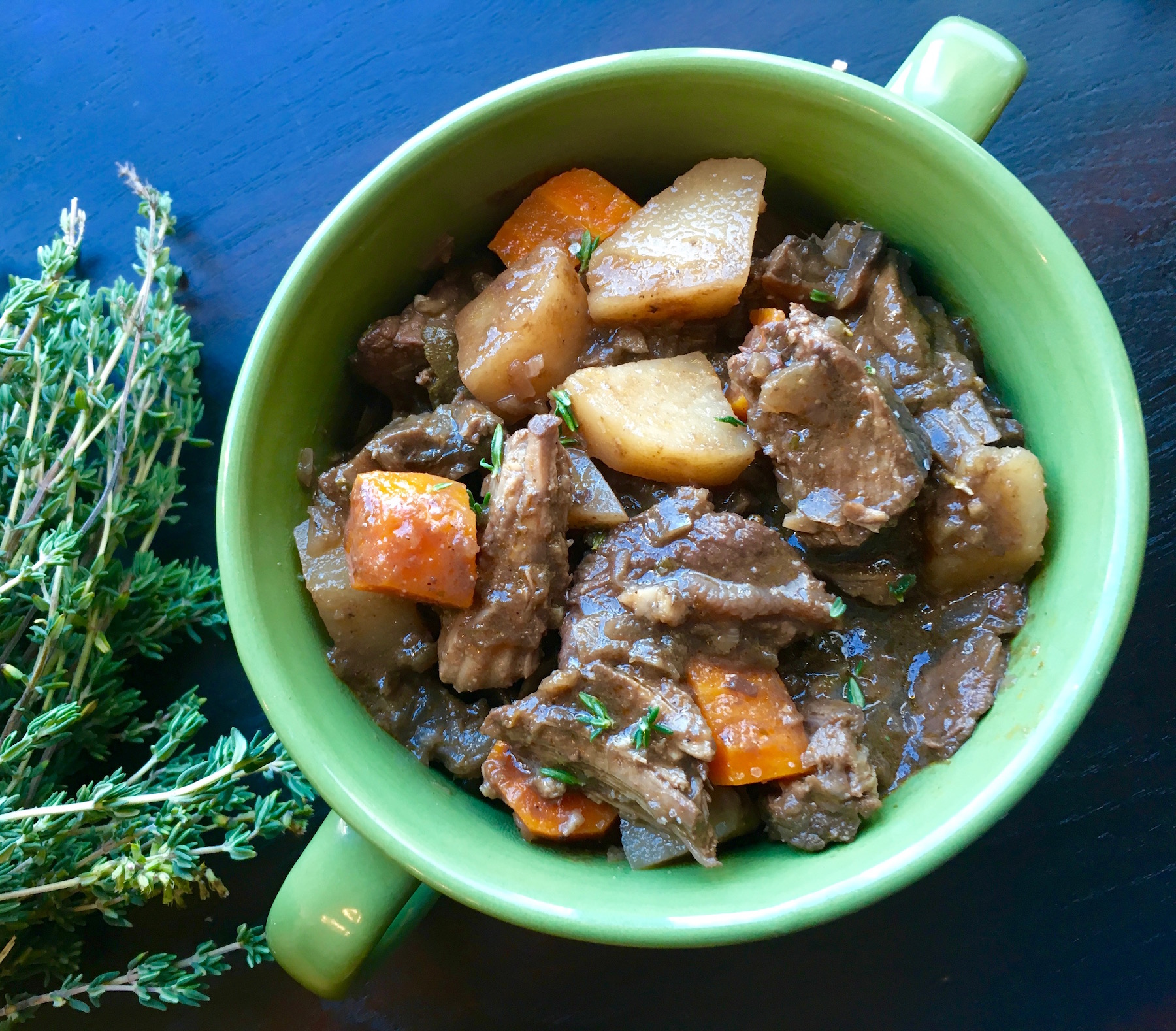
When the temperatures drop and the leaves turn shades of crimson and gold, there’s nothing quite as comforting as a steaming bowl of classic beef stew. This hearty dish is the essence of cozy nights in, family dinners, and nourishing comfort food at its best.
For those of us navigating histamine intolerance, this classic recipe can be adapted to fit your needs while keeping all the rich, comforting flavor. With a few simple adjustments and some mindful cooking techniques, you can enjoy beef stew without the histamine overload that often comes from slow-cooked or leftover meats.
Why This Recipe Works for Histamine Intolerance
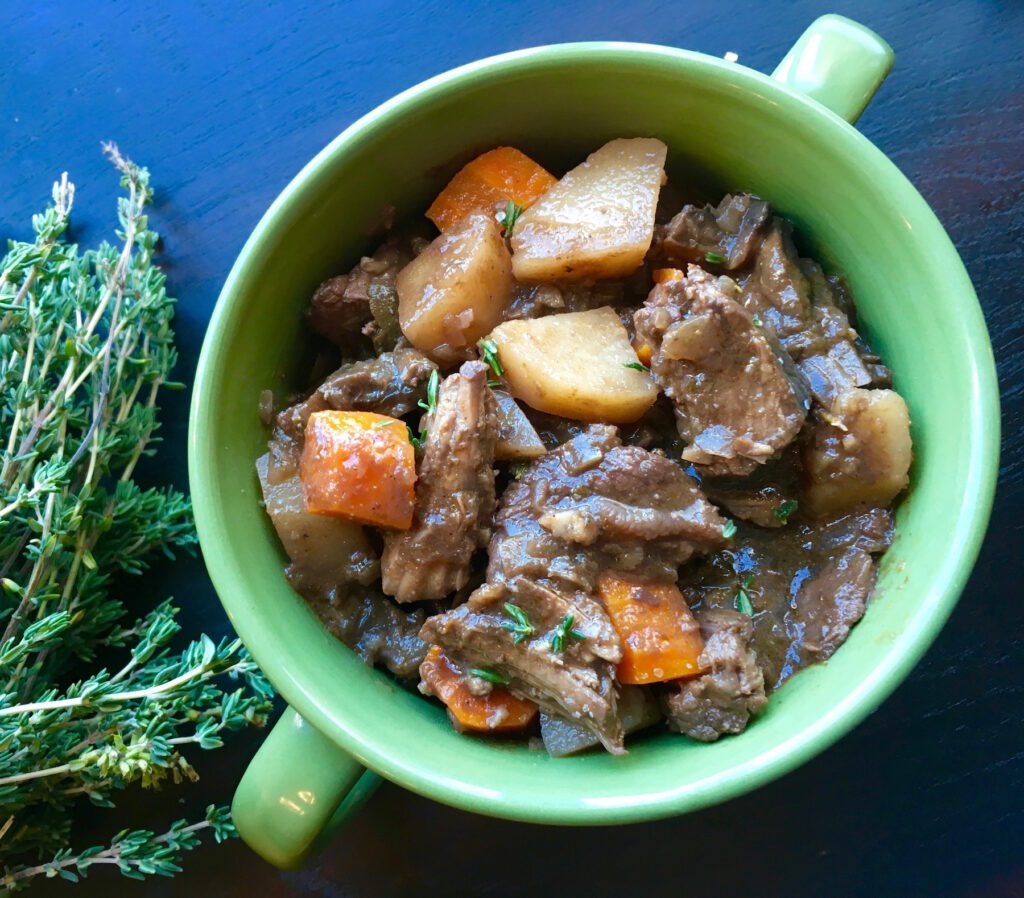
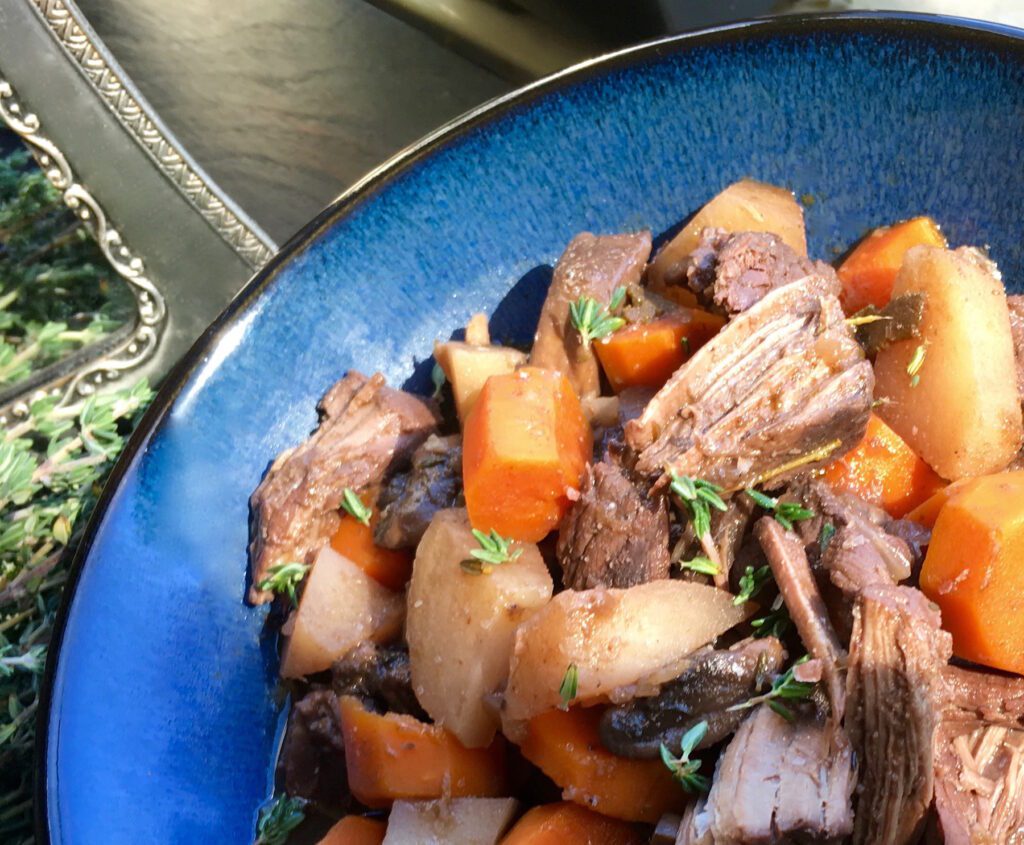
This stew combines nutrient-dense ingredients like fresh herbs, root vegetables, and tender beef for a complete, balanced meal. Fresh rosemary, thyme, and oregano not only infuse the broth with incredible aroma but also bring natural anti-inflammatory and antihistamine properties. Rosemary, in particular, supports circulation and has mast cell–stabilizing benefits, a great addition for those of us with histamine intolerance or chronic inflammation.
Low Histamine & AIP Modifications
- Choose fresh beef and cook right away: Histamine levels rise quickly in stored meats. Buy fresh cuts from a trusted butcher and freeze them immediately if you’re not cooking the same day. Thaw in the refrigerator just before use.
- Skip the wine: Red wine is often used in these type of recipes, but is high in histamine. Instead, I replaced it with extra broth plus 1 tablespoon of apple cider vinegar for a touch of acidity.
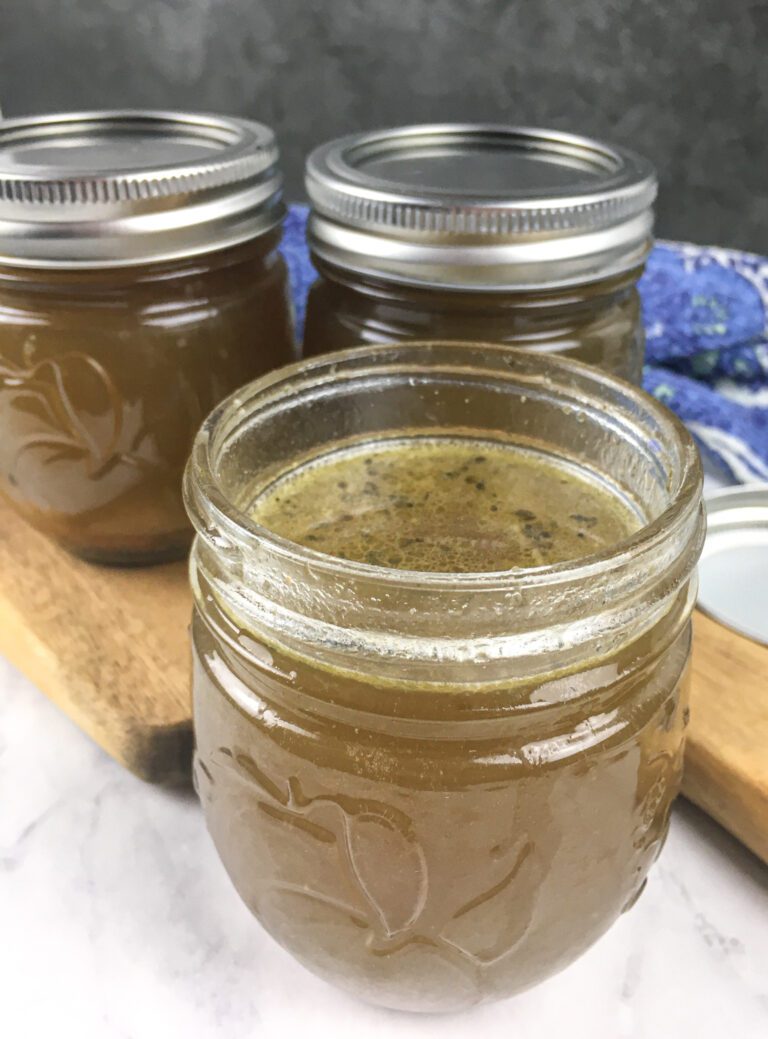
- Use homemade meat broth: Store-bought beef broth can sometimes contain additives or long-cooked ingredients that increase histamine levels. A quick-cooked meat broth (2–3 hours simmered from fresh bones and meat) works beautifully and I personally enjoy the taste more.
- AIP modifications: This recipe is easy to adapt for the Autoimmune Protocol, simply replace white potatoes with diced sweet potatoes, rutabaga, or turnips.
- Mushroom sensitivity: While mushrooms aren’t high in histamine, they can trigger reactions for some. If you notice symptoms, substitute with chopped summer squash or zucchini for a similar texture.
Beef Stew
Ingredients
- 2 Tablespoons extra virgin olive oil
- 4 cloves fresh garlic, minced
- 8 oz. white mushrooms, sliced
- 2 lbs. beef stew, cut into 1” cubes
- Sea salt, to taste
- 4-5 cups organic beef stock, divided*
- 1 Tablespoon Apple cider vinegar
- 1 whole bay leaf
- 3 large carrots, chopped
- 2 large stalks celery, finely diced
- 1 medium yellow onion, diced
- 2 lbs. Russet potatoes, chopped
- 2 Teaspoons fresh thyme leaves, rinsed
- 2 Teaspoons fresh oregano leaves, rinsed
- 1 Tablespoon fresh rosemary leaves, chopped
- *Use more or less beef stock to achieve the desired consistency
Instructions
- Wash and peel all vegetables and pat dry before prepping. (Potato skins can either be left on or removed based on personal preference).
- Heat olive oil, garlic, and mushrooms in a large (5 or 6-quart), high-sided skillet over medium-high heat. Sauté for 5-7 minutes or until mushrooms start to release their liquid, stirring occasionally.
- Working in batches if necessary, add beef to skillet and cook until browned on all sides. Season with salt, to taste. Transfer browned beef and mushroom mixture to a large bowl, and return empty skillet to the cooktop.
- Deglaze skillet with 2 cups beef stock and the apple cider vinegar over medium-high heat, using a spatula or wooden spoon to scrape up any brown bits. Boil liquid until reduced by one half before returning the beef-mushroom mixture to the skillet.
- Reduce heat to medium-low and add 2 cups of beef broth and the bay leaf to the skillet. Cover and simmer for 1-1½ hours, or until the beef is tender. Stir beef mixture occasionally while simmering.
- Remove lid and add carrots, celery, onion, potatoes, and fresh herbs. Stir to combine and add additional beef stock, if necessary, to reach desired consistency.
- Continue simmering, uncovered, for another 20-25 minutes or until potatoes and carrots are tender, but not mushy. Remove from heat and discard bay leaf. Season with additional salt, to taste. Spoon hot stew into individual serving bowls and serve immediately. Enjoy!
Ingredients
- 2 tablespoons extra virgin olive oil
- 4 cloves fresh garlic, minced
- 8 ounces white mushrooms, sliced (optional; see note above)
- 2 pounds beef stew meat, cut into 1-inch cubes
- Sea salt, to taste
- 4-5 cups homemade meat broth or low histamine beef stock, divided (you can use more or less to reach your preferred consistency)
- 1 tablespoon apple cider vinegar
- 1 whole bay leaf
- 3 large carrots, chopped
- 2 large celery stalks, finely diced
- 1 medium yellow onion, diced
- 2 pounds Russet or gold potatoes, chopped (use sweet potato turnips, or rutabaga for AIP)
- 2 teaspoons fresh thyme leaves
- 2 teaspoons fresh oregano leaves
- 1 tablespoon fresh rosemary, chopped
Directions
- Prepare all your ingredients first. Wash, peel, and chop the vegetables. Pat the beef dry to help it brown evenly.
- In a large, heavy pot or Dutch oven, heat the olive oil over medium heat. Add garlic and mushrooms and sauté for 5–7 minutes until fragrant and the mushrooms release their liquid.
- Add the beef cubes and brown them on all sides, working in batches if needed. Season lightly with salt.
- Remove the beef and vegetables from the pot and deglaze with 1 cup of broth and 1 tablespoon apple cider vinegar, scraping up any browned bits with a wooden spoon.
- Return the beef and vegetables to the pot. Add 2 cups of broth and the bay leaf. Cover and simmer gently over low heat for 1 to 1½ hours, stirring occasionally, until the beef is tender.
- Add the carrots, celery, onion, potatoes, and fresh herbs. Stir well, adding more broth if needed. Continue simmering uncovered for 20–25 minutes, or until the vegetables are tender.
- Remove from heat, discard the bay leaf, and taste for seasoning. Serve warm and enjoy!
Freezing and Storage Tips
- For the freshest flavor: Cool the stew quickly after cooking to prevent histamine build-up. You can do this by dividing it into smaller containers and placing them in an ice bath before refrigerating.
- Refrigeration: Store leftovers in airtight glass containers and consume within 24 hours if you’re histamine-sensitive.
- Freezing: Freeze individual portions as soon as they cool. Thaw overnight in the fridge and reheat gently on the stove. Avoid microwaving if possible, as it can sometimes alter texture and flavor.
Serving Suggestions
This stew is lovely on its own, but you can round it out with a side of mashed cauliflower, sautéed greens, or roasted root vegetables. If you tolerate it, a drizzle of olive oil or a sprinkle of fresh herbs before serving adds a beautiful finishing touch.
Final Thoughts
Classic beef stew is one of those timeless comfort foods that can be easily adapted for those with histamine intolerance or autoimmune conditions without sacrificing flavor. It’s hearty, grounding, and nourishing.
Whether you make it for a weekend family dinner or portion it for freezer-friendly lunches, this stew is sure to become a cozy staple in your rotation. Have you tried making a low histamine version of beef stew before? Share your experience in the comments. I’d love to hear your favorite adaptations!